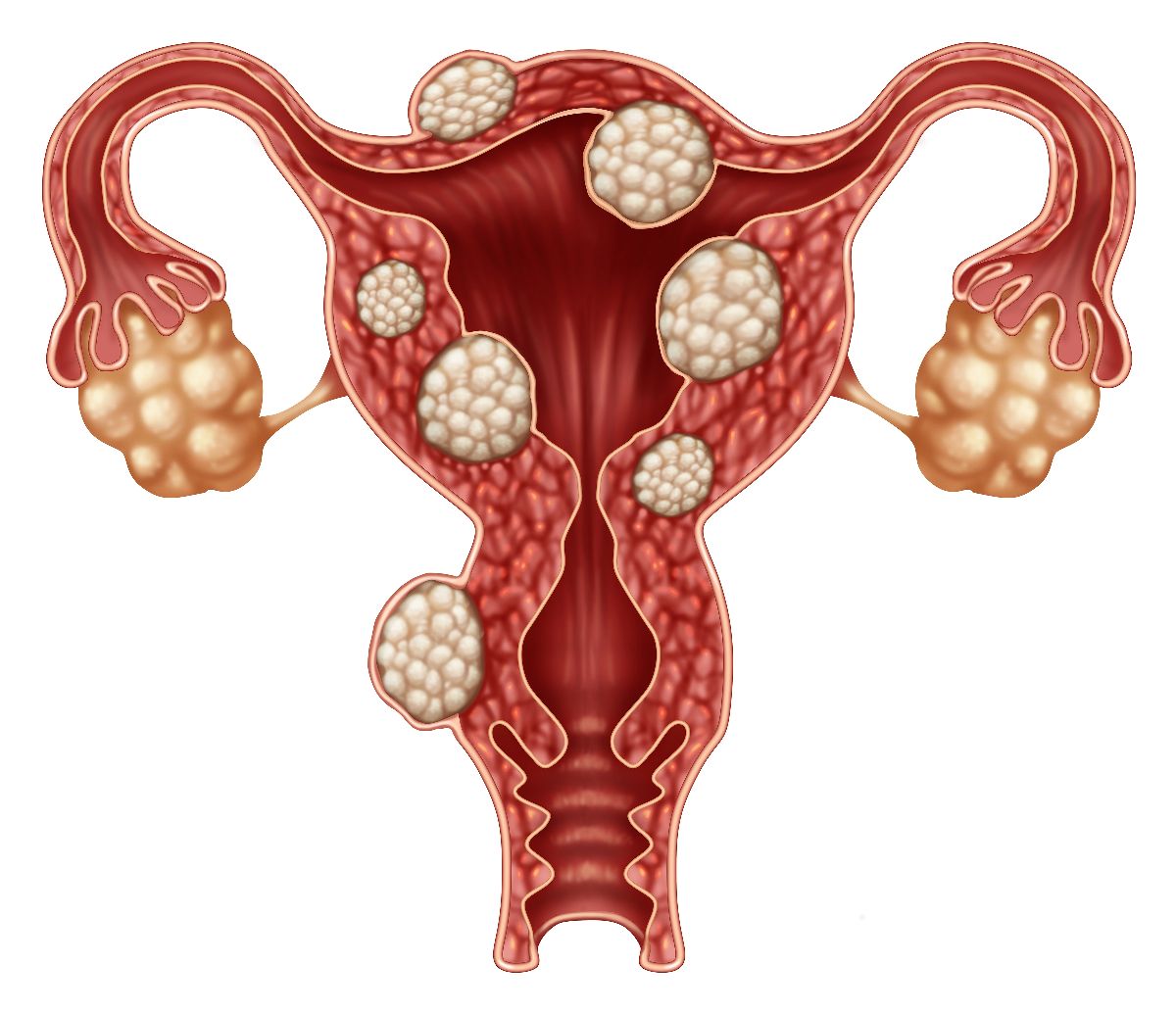
Uterine fibroids are one of the most common gynecological conditions affecting women during their reproductive years. While many fibroids remain small and symptom-free, others can lead to heavy menstrual bleeding, pelvic pain, pressure symptoms, and fertility concerns. As medical technology advances, women now have access to minimally invasive treatment options that offer effective symptom relief without major surgery.
Many women searching for the best uterine Fibroid Removal Treatment in Anna Nagar are increasingly learning about Uterine Fibroid Embolization (UFE) as an alternative to traditional surgical procedures. For those seeking an effective approach, UFE offers a promising option that focuses on preserving the uterus while safely reducing fibroid-related symptoms.
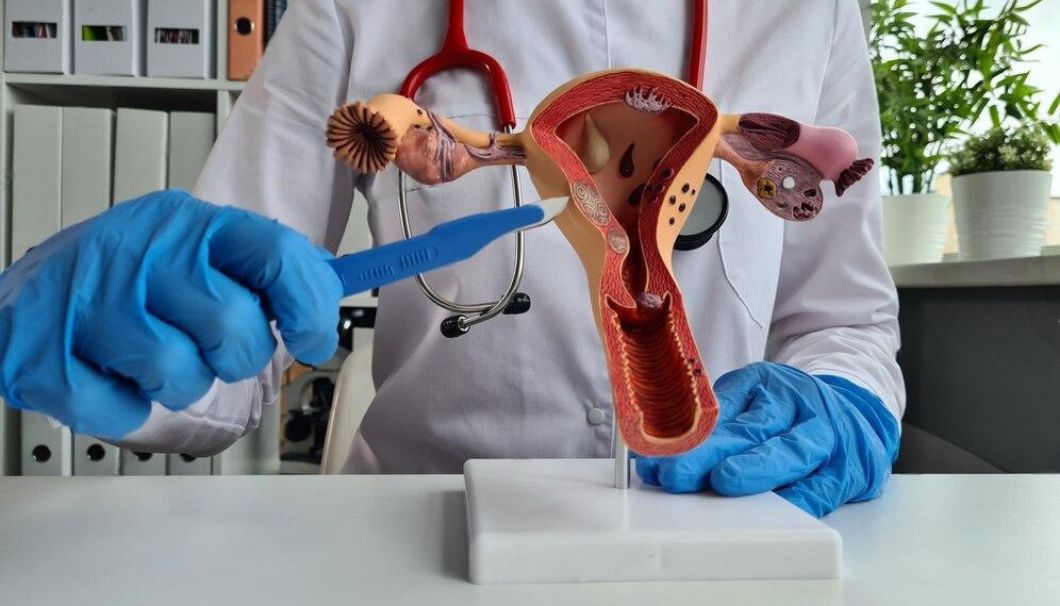
Fibroids, also known as leiomyomas, are non-cancerous (benign) growths that develop in or around the uterus. They vary significantly in size, number, and exact location. Some women may have a single isolated fibroid, while others may develop multiple growths.
Fibroids can occur in different areas of the uterus, including:
Although fibroids are usually non-cancerous, they can significantly affect a woman’s quality of life when symptoms become severe.
he symptoms of uterine fibroids largely depend on their size, number, and location. Some women experience no symptoms at all, while others face significant daily discomfort.
Common symptoms include:
When these symptoms begin to interfere with daily life, seeking timely treatment becomes necessary.
Uterine Fibroid Embolization, commonly known as UFE, is a minimally invasive procedure used to shrink fibroids by blocking their primary blood supply.
Fibroids require a constant supply of oxygen and nutrients from surrounding blood vessels to continue growing. During a UFE procedure, tiny particles are injected into the specific blood vessels that supply the fibroids. These particles safely block the blood flow, causing the fibroids to shrink naturally and gradually over time. Because the procedure targets only the blood vessels feeding the fibroids, the healthy surrounding uterine tissue continues to receive an adequate blood supply.
The UFE procedure is typically performed by an expert interventional radiologist in a specialized treatment center. The process generally involves the following steps:
UFE has become increasingly popular because it offers several distinct advantages compared to traditional open surgery:
UFE may be highly suitable for women who:
However, not every woman is an ideal candidate. An individual assessment by a qualified specialist is essential to determine the best approach.
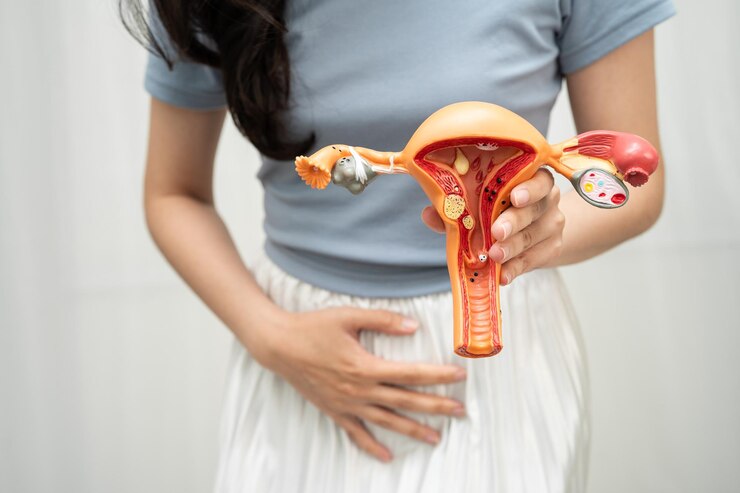


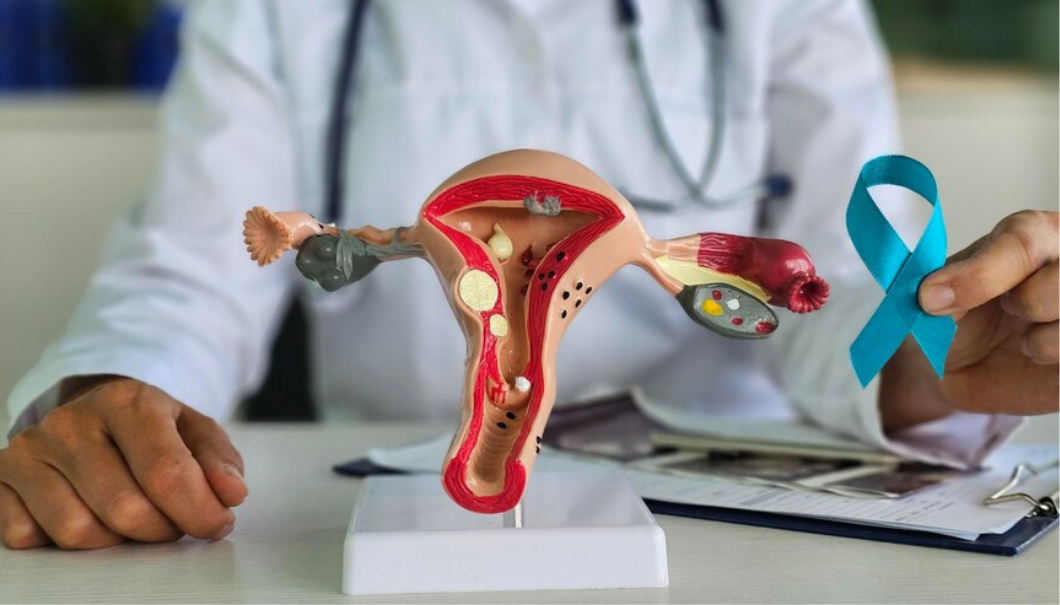
A myomectomy involves the surgical removal of individual fibroids while preserving the uterus.
The ideal choice ultimately depends on the patient’s age, future fertility goals, specific fibroid characteristics, and overall health status.
A hysterectomy involves removing the uterus entirely, which permanently eliminates fibroids but prevents any future pregnancy.
Many women prefer UFE because it allows them to retain their reproductive organs while effectively managing their painful symptoms.
Recovery from UFE is generally much quicker than traditional abdominal surgery. During the first few days, most women may experience mild cramping, fatigue, a low-grade fever, or general pelvic discomfort. These symptoms are normal signs of the treatment working and usually improve quickly.
Patients are commonly advised to:
Most women are able to comfortably resume their normal, daily activities within one to two weeks.
Fibroids do not disappear immediately after the UFE procedure. Instead, they gradually shrink and break down over time. Women usually notice progressive improvements, including reduced menstrual bleeding, less pelvic pain, improved bladder control, and decreased abdominal pressure. Significant symptom improvement is typically seen within three to six months following treatment, leading to a much better quality of life.
Although UFE is widely considered a safe and effective procedure, all medical treatments carry some level of risk. Potential complications, though rare, can include local infection, temporary pelvic pain, an allergic reaction to the contrast material used during imaging, or minor blood vessel injury. Careful clinical evaluation and proper patient selection help minimize these risks significantly.
An early diagnosis allows women to explore a wider variety of treatment options before the fibroids grow excessively large. Women should consult a qualified gynecologist promptly if they experience heavy menstrual bleeding, severe menstrual pain, frequent urination, pelvic pressure, or fertility concerns. Routine gynecological checkups and imaging studies are vital to detecting fibroids before complications develop.
Although UFE effectively treats the existing fibroids, maintaining overall reproductive health remains a continuous priority. Adopting healthy habits—such as regular moderate exercise, balanced nutrition, adequate hydration, effective weight management, and stress reduction—contributes greatly to long-term wellness and hormonal balance.
Uterine Fibroid Embolization has transformed the landscape of gynecological care by offering a safe, minimally invasive alternative to major surgery. The procedure works by strategically blocking the blood supply to fibroids, causing them to shrink while leaving the uterus completely intact. With shorter recovery times, fewer complications, and highly effective symptom relief, UFE has become an incredibly attractive option for many women experiencing fibroid-related discomfort.
Women seeking the best uterine Fibroid Removal Treatment in Anna Nagar should explore all available modern treatment pathways with a qualified specialist. By choosing an expert team, patients can receive deeply personalized care, advanced medical solutions, and long-term support for improved reproductive health and an enhanced quality of life.

Whatsapp Us